


UK invasive weed hotspots
From damaged gardens and property worries to disputes between neighbours, the latest figures from UK Councils reveal the areas of Britain bearing the brunt of the problem.
Find out more

In this article we’ll explain what Bamboo is, how to stop bamboo from spreading and how to remove Bamboo completely. We explain the different methods of control, from herbicide treatment to full excavation.
It may come as a surprise to find that Bamboo is not classed as an invasive species in the Wildlife and Countryside Act 1981 and there are currently no restrictions on planting it, however, encroachment cases are becoming more common in the UK with many homeowners taking legal action against neighbours who have allowed their Bamboo to spread.
No matter what type of Bamboo you have it will need to be either controlled, contained or got rid of to avoid costly neighbourly disputes or damage to property and hard surfaces. We’re here to help, so if you need to speak to an expert, get in touch now.

It is important to be aware of the type of Bamboo you are dealing with, as this will impact the removal process. Bamboo comes in two main types – clumping and running – easily distinguished by their growth pattern.
Clumping Bamboo grows from a root ball, it can grow up to 2ft high and tends to forma single clump (hence the name). However if the root system is disturbed in any way new clumping plants can form elswhere.
Running Bamboo grows from lateral root systems that shoot up vertical stems to form lots of plants. It can grow up to 1.5 metres high, so if your Bamboo is well established it should be easy to spot which type you have – if it’s over 2ft it’s probably running. The other way is to look at the stems as clumping has perfectly round stems whilst running have ridged stems.

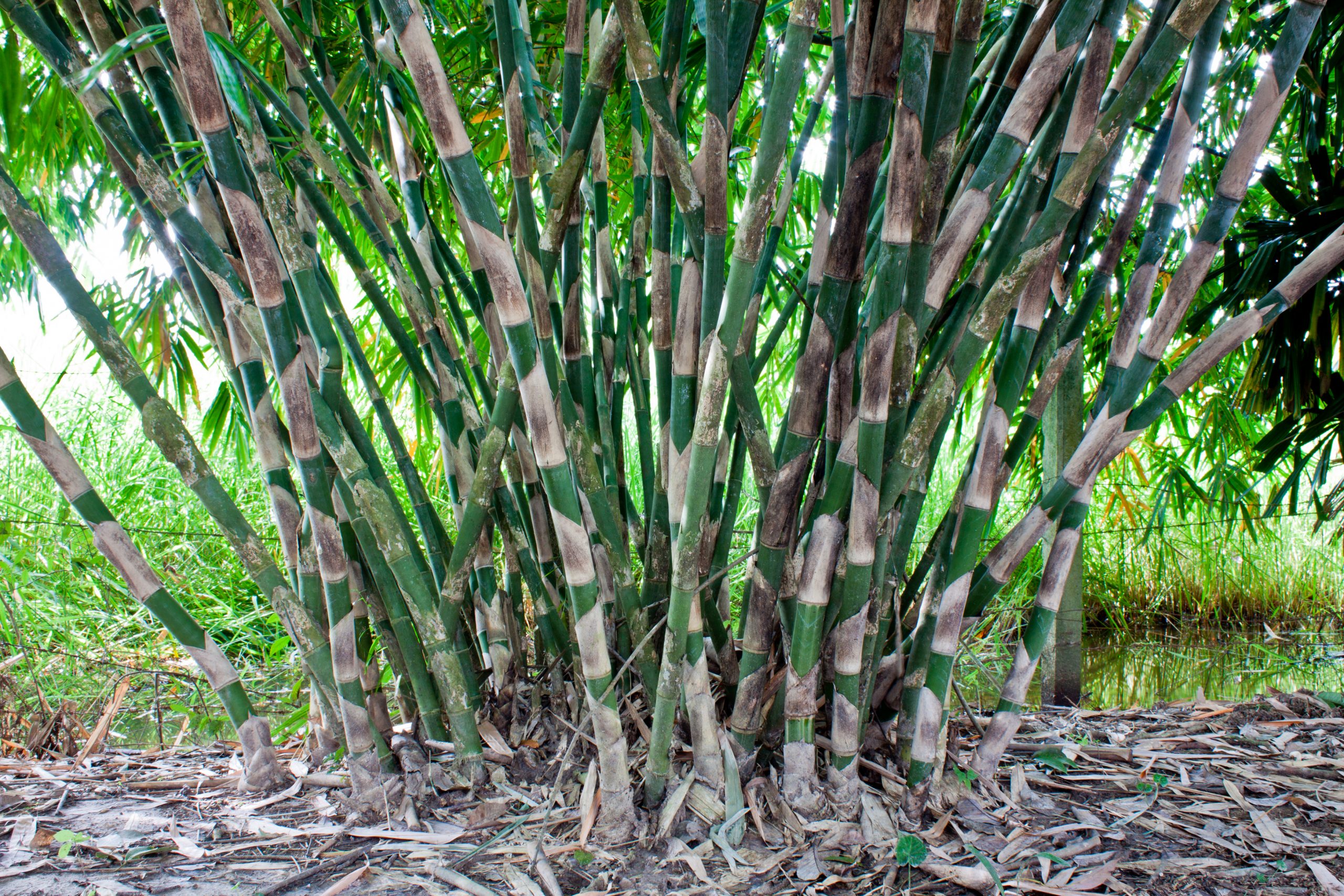
Yes – it’s the highly invasive nature of the Bamboos that are problematic as they are fast-growing, hardy plants that can spread rapidly. The roots can grow under fences and walls, and through cracks in hard surfaces such as tarmac and concrete.
They grow from underground rhizome root systems, so, just like Japanese knotweed, all parts of the plant including the roots need to be completely removed because new plants will grow from tiny root fragments left behind.
Bamboo’s rhizomes are capable of spreading up to 30ft (10 metres), and if left unchecked and untreated, they can invade neighbouring gardens and even pose a threat to the foundations of houses.
Bamboo left to grow in the wild will take over large swathes of land. If it is not removed it will harm the natural habitat, both flora and fauna. It also causes problems for developers and construction.

Below are a few of the most effective methods of treatment or removal, although this is just an overview, as each method has its own requirements depending on the size of the plant and location on the site.
Herbicide Control (stem fill) involves cutting the bamboo down but leaving enough stem to then inject it or spray into it with herbicide, which works its way down the stem into the root system.
Energy depletion involves cutting the canes to ground level before new leaf appears, and repeating the process for many years. This is done in the hope that the energy reserves are depleted in the root/rhizome system sufficiently to stop or stunt further growth.
Containment of Bamboo uses vertical root barrier membranes to stop it spreading further. Usually this method involves thinning it our first to make the vegetation mass less dense.
Excavation of the root ball and rhizome network means all plant material is completely removed by digging them out, either manually (if the root ball is small enough) or using a commercial excavator.

Removing bamboo can be a challenging task that is best left to the experts. By working with a specialist contractor, you can ensure that the process is carried out safely and effectively, and in compliance with legal requirements. For anyone considering attempting to remove bamboo yourself, be sure to take the necessary precautions and consider seeking advice from a specialist contractor.
The most effective way to remove Bamboo is to work with a specialist contractor. Here are some reasons why:





















From damaged gardens and property worries to disputes between neighbours, the latest figures from UK Councils reveal the areas of Britain bearing the brunt of the problem.

Get the answers to the top 4 FAQs about invasive plants surveys, and get in touch with the team with any other questions, or to book a survey.