All About Himalayan Balsam
Also known as ‘touch-me-not balsam’, this invasive species is becoming an increasing environmental and commercial challenge across the UK. Its exploding seed pods and aggressive growth enable it to spread rapidly, outcompeting native species and destabilising riverbanks.
Here’s what every landowner, site manager and local authority should know about this fast-spreading invasive plant – and how to safely control it, or get rid of it completely.
What Is Himalayan Balsam?
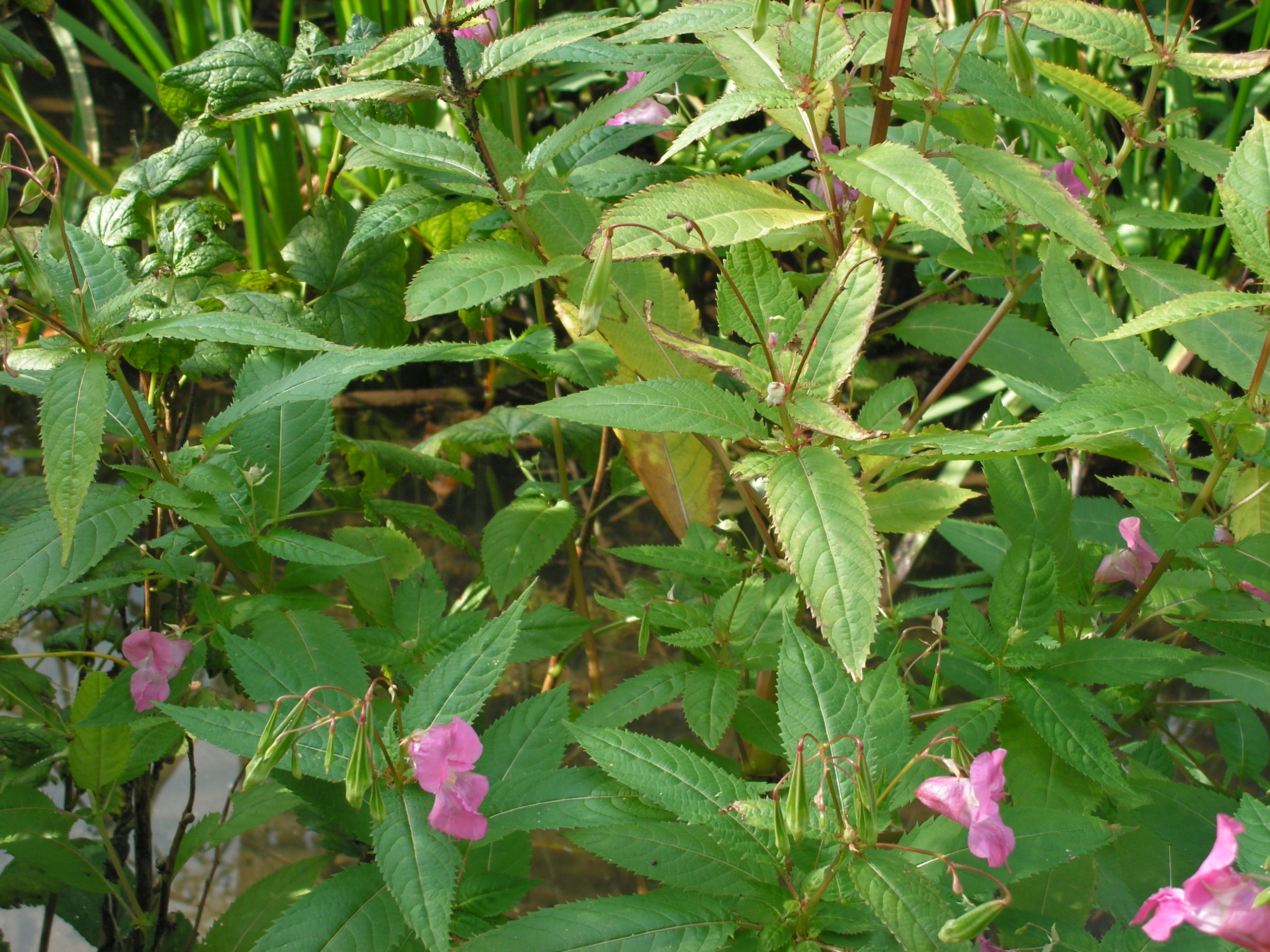
Himalayan balsam (Impatiens glandulifera) is a tall, fast-growing annual plant native to the Western Himalayas. Introduced to Britain in the 19th century as an ornamental garden species, it quickly escaped cultivation and began to spread along rivers, wetlands, and woodland edges. Its aggressive growth and explosive seed dispersal now make it one of the most widespread and problematic invasive weeds in the UK.
The plant can grow up to three metres tall, producing thick, hollow reddish stems and clusters of pink, helmet-shaped flowers from June to October. Although its appearance is attractive, Himalayan balsam poses a serious ecological threat. Its shallow root system and dense canopy block light and nutrients from reaching native plants, leading to the loss of biodiversity and the destabilisation of riverbanks once it dies back in winter.
Because of its ability to outcompete native vegetation and spread rapidly across watercourses, Himalayan balsam has become a key target in invasive species control programmes throughout the UK.

How to get rid of Himalayan balsam
Himalayan balsam (Impatiens glandulifera) is listed under Schedule 9 of the Wildlife and Countryside Act 1981, it is an offence to plant or allow Himalayan balsam to grow in the wild. Duty holders must prevent its spread or risk enforcement action, project delays, and reputational damage.
The most reliable approach to get rid of thsi invasive plant is to start with having a professional Himalayan balsam survey carried out. This will provide you with a full report on the infestation and and a control plan. It’s important to have this delivered by qualified, PCA-accredited specialist. Our Himalayan balsam experts can identify, manage, and eradicate infestations safely and in compliance with UK regulations, with options for long-term monitoring where required.

How we control and remove Himalayan balsam
At Environment Controls, we use a range of proven methods to manage and eradicate Himalayan balsam
infestations, adapting our approach to each site’s environment and level of infestation.
- Herbicide Treatment – Targeted use of approved herbicides to suppress large or inaccessible infestations.
- Hand Pulling – Ideal for smaller sites or sensitive habitats, removing plants before seed pods mature.
- Mechanical Removal – Suitable for large-scale infestations along riverbanks and development sites.
- Excavation – Used for heavily infested areas or sites requiring rapid eradication.
- Biological Control – Natural rust fungus trials show promise for long-term reduction of regrowth.

NEED TO GET RID OF HIMALAYAN BALSAM?
Why Himalayan Balsam Is a Growing Concern
Himalayan balsam has become an increasing concern across the UK as changing weather patterns, milder winters, and heavier rainfall create ideal conditions for its spread. The plant thrives in damp and nutrient-rich soils, allowing it to rapidly colonise riverbanks, construction zones, and unmanaged land where native vegetation struggles to recover.
Once established, Himalayan balsam forms dense monocultures that can destabilise soil structure. This is because when the plant dies back in winter, the exposed ground is left prone to erosion and runoff, which contributes to flooding and sediment build-up in waterways.
Because of its ability to spread quickly and regenerate year after year, even from small infestations, early identification and professional management are vital. Without control, Himalayan balsam can transform valuable habitats into degraded, unstable environments within just a few growing seasons.

How Himalayan Balsam Spreads
Himalayan balsam has an extremely effective natural dispersal system, allowing it to spread rapidly and colonise new areas with ease. Its most distinctive feature is the explosive seed pod mechanism that gives it the nickname “touch-me-not.” When the seed pods mature, even the slightest touch can cause them to burst open, launching seeds up to seven metres away from the parent plant.
Once released, the lightweight seeds can travel further by floating downstream or attaching to vehicles, footwear, animal fur, and machinery. This enables Himalayan balsam to move quickly across landscapes, establishing new colonies along waterways, construction sites, and disturbed ground.
Each plant is capable of producing more than 2,500 seeds per season, and these can remain viable in the soil for up to three years. Without professional intervention, even a small, isolated patch can expand into a large-scale infestation within a single growing season, overwhelming native vegetation and accelerating soil erosion along riverbanks.

Environmental Impact
Himalayan balsam poses a serious threat to the health and stability of natural habitats across the UK. Its rapid growth allows it to dominate riverbanks, wetlands, and damp ground, forming dense stands that outcompete native vegetation for light, nutrients, and space. Within a single season, these thick colonies can completely suppress local plant life, reducing biodiversity and altering the structure of the surrounding ecosystem.
Himalayan balsam also affects pollination networks by diverting bees and other insects away from native wildflowers with its abundant nectar. Over time, this disrupts natural ecological balance and contributes to long-term habitat decline, making control and prevention essential for protecting local biodiversity.

Legal Status of Himalayan balsam
Under Schedule 9 of the Wildlife and Countryside Act 1981, it is an offence to plant, cause, or allow Himalayan balsam to grow in the wild. The species is officially recognised as a controlled invasive weed throughout the UK, and its management falls under strict legal obligations for landowners, developers, and local authorities.
Anyone responsible for land where Himalayan balsam is present has a duty of care to prevent its spread to neighbouring properties or natural habitats. Failure to manage an infestation properly can result in enforcement action, remediation costs, and reputational or financial penalties – especially on construction, infrastructure, or river-adjacent sites.
Professional assessment and treatment from qualified invasive weed specialists help ensure compliance with UK environmental law and provide essential documentation for due diligence, insurance, and development approval.

Why choose us
- Residential & commercial Himalayan Balsam removal
- Fully qualified and certified to remove Hiamalayan balsam
- Extensive in-house expertise
- National coverage invasive plants removal

Eliminate unwanted Balsam
Accreditations