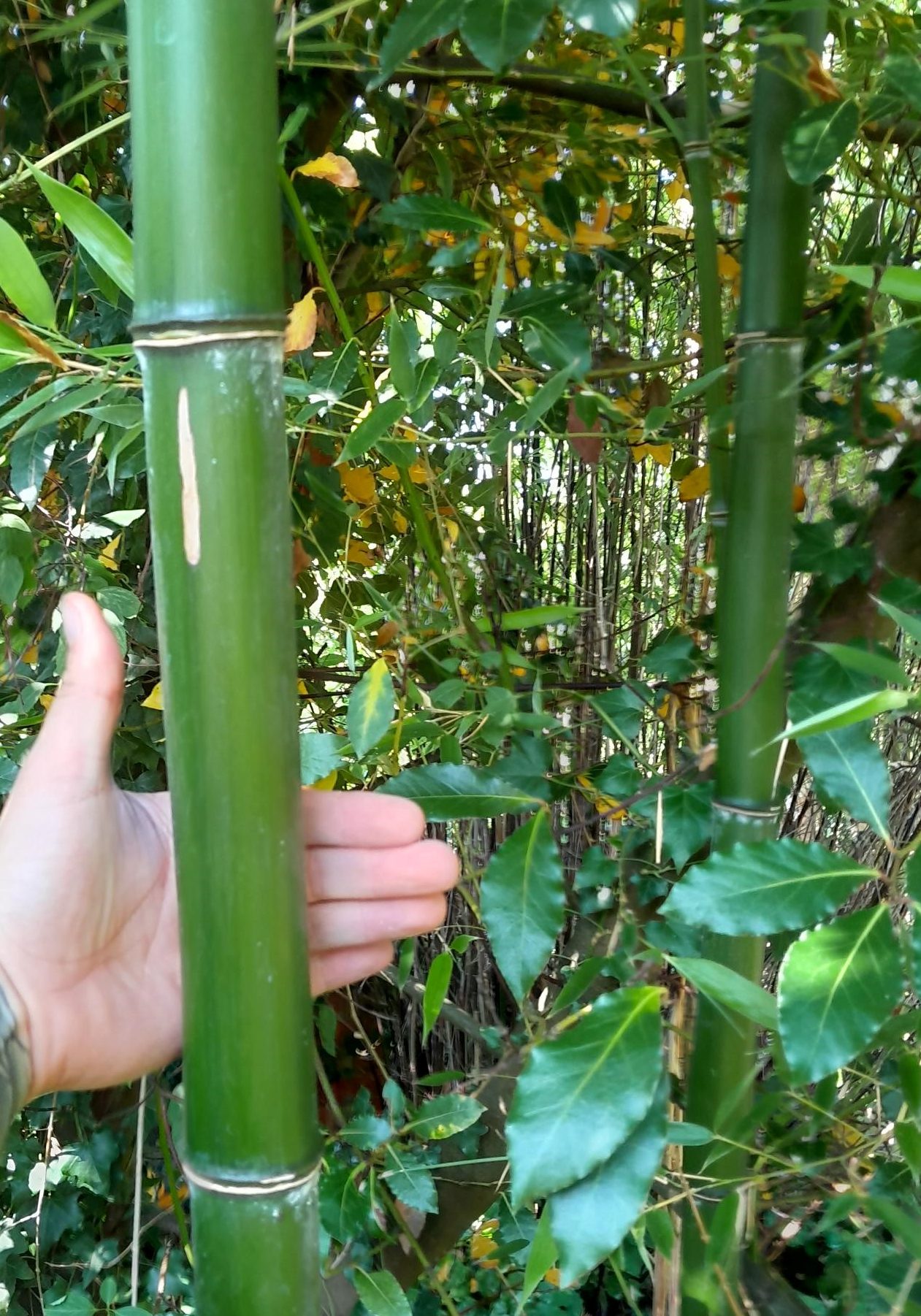
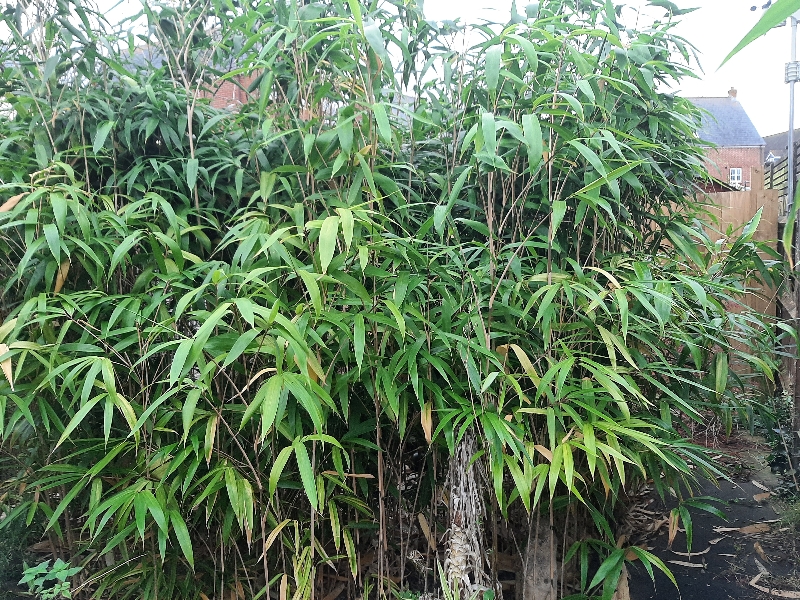
Before and after pictures of bamboo removal

Professional Bamboo Removal & Treatment Services

If you’re worried about bamboo spreading in your garden or damaging your property, don’t wait for the problem to get worse. Our specialists will assess your site, explain bamboo removal options and recommend the most cost-effective solution for you.

Request a quick quote today and take the first step towards permanent bamboo control.

get advice now

Bamboo removal costs

If you want to know how much Bamboo removal will cost – request a QUICK QUOTE by uploading some pictures using the form. Alternatively, we’ll carry out a survey so we can give you a full quote and report. As experienced experts in Bamboo control and removal, we offer three options:

  • Herbicide treatment: Ideal for long-term bamboo control where immediate removal isn’t essential.
  • Excavation: The fastest option where complete removal is required. Our Bamboo Excavation Programme has been designed to be effective whilst reducing the volume of soils removed.
  • Containment: Where removal isn’t practical, containment systems and root barriers can prevent further spread and protect neighbouring properties.

Our Simple 3-Step Bamboo Removal Process

1. Identification and quote

Send us some pictures for a quick quote, or book a survey and our surveyor will:

  • Identify the bamboo species
  • Determine whether it’s running or clumping bamboo
  • Assess the underground spread
  • Produce a detailed report
  • Recommend the most effective treatment option
2. Choose the Right Treatment

We’ll explain the advantages of herbicide treatment, excavation or containment, together with costs, expected timescales and long-term outcomes, helping you choose the best solution.

3. Protect Your Property

If bamboo has spread across a boundary, we’ll advise on the most effective long-term management strategy to prevent further encroachment and future disputes.

contact us or get a quick quote

Signs you need professional Bamboo removal

The longer bamboo is left untreated, the further its underground rhizomes can spread, making removal more difficult and costly. If this is happening to you, action is needed and we can help:

  • Bamboo keeps coming back.
  • New shoots are appearing metres away.
  • Bamboo is spreading under fences.
  • It is growing beneath paving.
  • My neighbour has complained.
  • DIY hasn’t worked.

SPEAK TO AN EXPERT

Customer Feedback “You have a fantastic team, and we would like to express our sincere appreciation for everything that has already been achieved—we are absolutely delighted.”

Vaiva J. – December 2025

Bamboo spreading from one property to a neighbours

Reasons why Bamboo should be removed

Bamboo is not currently listed under UK invasive species legislation, but that does not mean it is risk-free. Many property owners underestimate bamboo until it’s too late. Its ability to rapidly spread, cause damage and create disputes means many insurers, developers and councils treat bamboo with the same seriousness as invasive plants, and DIY almost always makes the problem worse by stimulating further growth.

Left unmanaged, bamboo can:

  • Spread beneath fences and property boundaries, invading neighbouring gardens and creating legal disputes.
  • Damage patios, driveways and pathways, retaining walls and garden structures.
  • Block drains and underground services.
  • Take over lawns, borders and landscaped areas.
  • Become increasingly expensive to remove over time.

Can I remove Bamboo myself?

If you want to control bamboo from spreading you may be thinking of trying it yourself, but DIY removal often makes the problem worse by disturbing the rhizome system, encouraging new shoots to emerge elsewhere in the garden. You need professional bamboo removal. Speak to a bamboo removal expert.

Invasive Bamboo shiplap fence

Legal implications of bamboo encroachment

What damage can Bamboo cause?

Many people underestimate the damage bamboo can cause until it becomes established. Running bamboo spreads through underground rhizomes which can travel several metres beyond the original planting area. These rhizomes naturally seek gaps, joints and weak points, allowing new shoots to emerge in unexpected locations.

Bamboo can damage:

  • Patios and Timber decking
  • Driveways
  • Garden paths
  • Retaining walls
  • Lawns and Flower beds
  • Drainage systems and Underground services
  • Fencing
  • Neighbouring gardens

Without professional management, bamboo can continue spreading year after year, making removal increasingly difficult and expensive.

Bamboo removal services

Environment Controls can control invasive bamboo growth in a number of ways, but the two primary options are:

HERBICIDE TREATMENT:

We have a range of treatment options and techniques that are designed to control and kill the Bamboo growth. The method of application varies depending on the species and level of growth, but we can conduct a survey and advise you on the best course of action and provide you with a treatment plan.

EXCAVATION:

This option provides permanent eradication of all Bamboo. We do this by carefully excavating all above ground and below ground parts of the plant. Bamboo doesn’t tend to grow very deeply into the ground, but it can spread out quite far. With a survey, we will be able to precisely determine the spread and ensure tidy and targeted removal.

Large Bamboo infestation being cut with electric chainsaw

Bamboo control services

In addition to the treatment and removal of Bamboo, there are also options to put containment measures in place to prevent Bamboo from spreading beyond its intended planting area.

ROOT BARRIER:

This underground barrier stops the roots from spreading beyond their intended area. The barriers can be made out of a range of materials including concrete. However if the barriers aren’t fit for purpose, the correct thickness or the correct depth, then they can be ineffective. Environment Controls will ensure Bamboo is fully contained.

THINNING AND CUTTING:

Another method is to thin out and cut the growth. When Bamboo clumps reach their maximum growing height during the growing season, they rarely increase in size, but will produce another crop of clumps for the following season (and so on). Thinning Bamboo by cutting back older clumps will restrict how far it will spread – but it won’t fully control it.

CASE STUDY: BAMBOO REMOVAL FROM NEIGHBOURING PROPERTIES

On this contract we were asked to get rid of invasive Bamboo from two next-door residential properties at the same time.

When Bamboo was found on one of the properties, further investigation discovered new growth on the neighbouring property. It was essential to get rid of all Bamboo from both sides of the fence to avoid either property from having the same problem a few months later.

All culms were excavated and the rhizomes chased out, placed in a skip and removed to landfill. The clean area was backfilled with fresh imported topsoil to leave both gardens tidy. It’s important to get rid of all Bamboo even if it’s spread onto a neighbours – otherwise you run the risk of it returning.

READ THE FULL CASE STUDY

Bamboo growing in a residential garden

Eliminate unwanted bamboo

Get a quick Bamboo removal quote today

Why choose us

  • National bamboo removal services
  • Experienced in residential and commercial
  • Fully trained, insured and compliant operatives
  • Proven methods designed to prevent regrowth
  • Quick quote and full advice
Clumping bamboo

What is the most invasive Bamboo?

There are two main types of Bamboo: Running and Clumping. When it comes to invasive Bamboo, the worst offenders are the ‘running’ types (shown in the image) which have large networks of roots and rhizomes. Rhizomes are underground plant stems (roots) that grow horizontally and allow more Bamboo to grow. These rhizomes are capable of spreading as far as 30 feet and if left unchecked and untreated can invade neighbouring gardens – and even pose a risk to the structural foundation of houses and buildings.

While Bamboo is not listed under Schedule 9, Part II of the Wildlife and Countryside Act 1981 and is not officially classed as an invasive species, encroachment cases are becoming more common and more homeowners are taking legal action against neighbours who have allowed it to spread.

A large swathe of running bamboo

Bamboo Removal FAQs

Can I remove bamboo myself? Yes – Bamboo removal takes specialist equipment to dig up, and for this reason DIY bamboo removal is not usually successful because every fragment of the plant needs to be removed, and this requires an expert’s touch.

What is the best way to remove bamboo permanently? Permanent removal usually requires either full rhizome excavation or a structured treatment programme. The correct approach depends on species, size and location.

Can bamboo grow back after removal? Yes – if rhizomes are left behind or removal is incomplete, bamboo will regrow. This is why professional management is essential.

Is bamboo removal worth it? Yes. Uncontrolled bamboo can spread rapidly, cause damage and reduce property usability. Early professional intervention reduces long-term costs.

Do I need professional bamboo removal? Yes – Bamboo behaves very differently to normal plants, and incorrect removal often worsens the problem.

Is bamboo invasive? Yes, the running variety is quick to spread and highly invasive.

Can bamboo damage foundations? Yes it will exploit weak areas or cracks in hard surfaces to grow through, causing damage.

Will bamboo spread into my neighbour’s garden? Yes, if left uncontrolled it will grow from one property to another.

Bamboo plants growing in a residential property

Accreditations

Trustmark logo
SMAS Worksafe logo
Supply Chain School logo
Safe Contractor logo
Property Care Association logo
Constructionline Gold logo
Builders Profile logo
CHAS Membership logo
The Amenity Standard membership logo
ACCLAIM H&S Membership logo
Amenity Assured membership logo
BASIS membership logo

0330 056 8880