


The Glyphosate debate 2026
The use of Glyphosate to control amenity weeds will always be a topic of debate. In this article discover how herbicide usage can be significantly reduced without affecting overall efficacy.
Find out more

We offer a comprehensive list of treatments and support services that can be carried out through the winter months, including bamboo and invasive plants surveys, vegetation control, asbestos contaminated soil excavations and much more.
There is a large variety of invasive plant species that we treat (see our full list), which includes invasive bamboo, deciduous plants like Buddleia and evergreen plants like Rhododendron. Depending on your property or site, there are a range of different removal options and support services that can be carried out throughout the winter.
Site surveys for Bamboo and Rhododendron can be carried out all year round, but even annual plants like Giant hogweed leave clues like canes and dead flower heads which are a tell-tale sign for our experienced surveyors, and a management plan will get you ahead of the next growing season so that when the plants do emerge in spring, your herbicide treatment is ready to action. Supporting services like vegetation removal can also be carried out over winter, meaning treatments can progress faster once the growing season starts.
Excavation of rhizomes and contaminated soil can be carried out year-round, depending on the weather and ground conditions. For homeowners who might not be out in their gardens as much in winter this may be the ideal time to take action on unwanted invasive plants, and for commercial clients who may have a lull in on-site activities acting in winter will reduce impact on construction schedules and day-to-day operations.
Winter is an ideal time for cutting back the dense growth of species like Rhododendron ponticum, Bamboo and Cotoneaster which do not die back over winter, or even just general woody vegetation that’s got out of control. This is especially useful for construction site ground preparation.
As it is outside the bird nesting season, there is no impact on schedules.
Additionally, removing other overgrown vegetation on sites with invasive plants infestations improves access and gives greater visibility of regrowth come spring, allowing surveys and treatment programmes to progress faster.
Species like Bamboo can also be treated with herbicides during winter: once the canes have been cut down to a low level, the plant is treated by injecting herbicide directly into the stumps. Decorative Bamboo in private gardens tends to be planted within beds where other plants and shrubs can make it difficult for us to get to, but as these often die back in winter, making this proces easier.
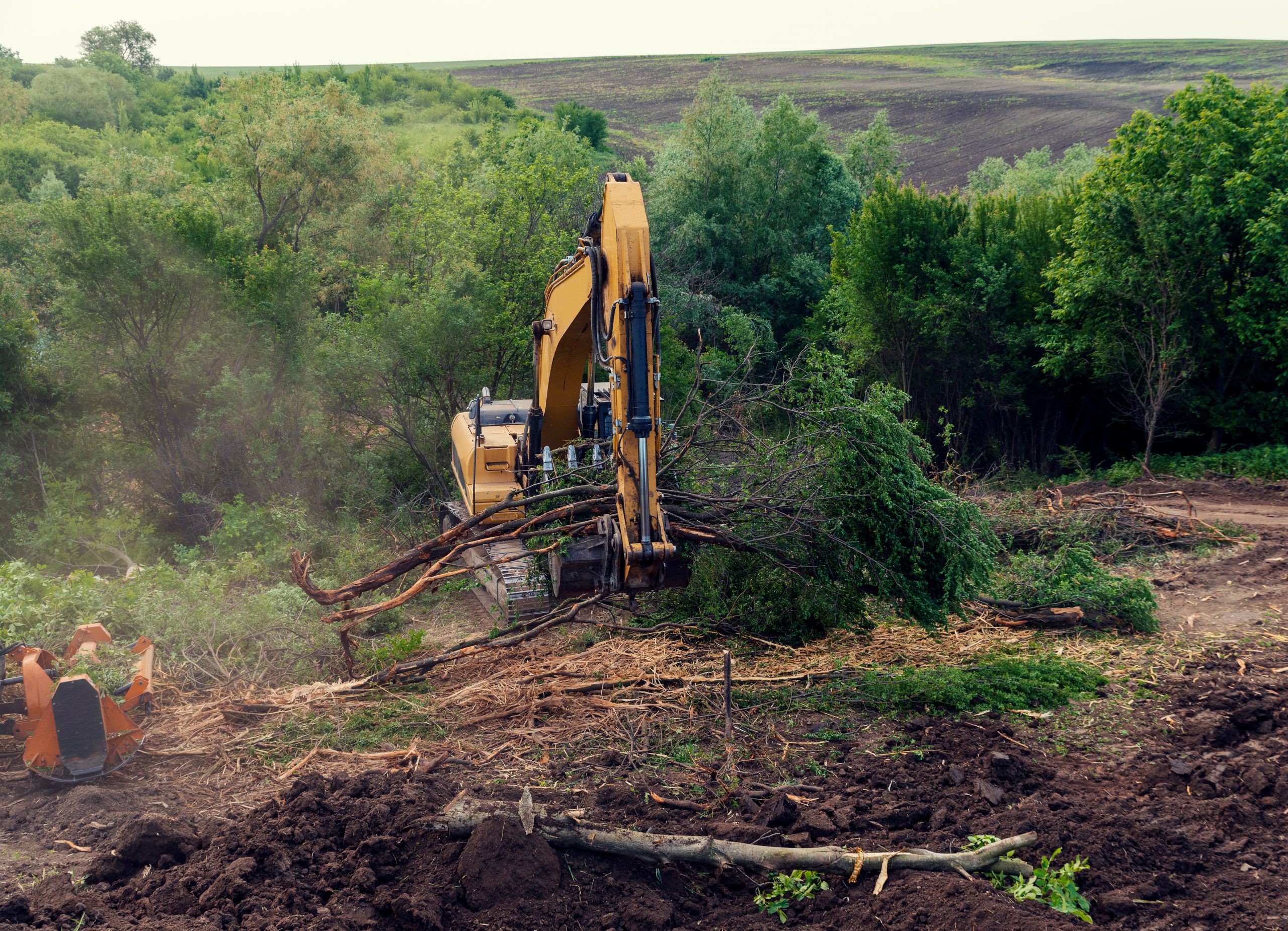
Excavation is the ideal solution for the rapid and permanent removal of invasive plant infestations on residential and commercial properties and development sites. Subject to weather and ground conditions, excavations on all scales can take place throughout the winter.
For Schedule 9 invasive plants, when carrying out excavation of roots, rhizomes in soil or doing surface scrapes of an impacted area to remove the seed bank, the removed soil and plant material is considered “contaminated” and excavation needs to be carried out or supervised by a suitably qualified person.
Contaminated soil needs to be disposed of at a properly licenced facility by law, and even unintentionally allowing plant contaminated material to spread to neighbouring land and properties can risk legal action and remediation costs.

In addition to the excavation of invasive plant rhizomes and seed contaminated soil, we offer a suite of support services aimed at construction sites and other commercial clients. These include:


















The use of Glyphosate to control amenity weeds will always be a topic of debate. In this article discover how herbicide usage can be significantly reduced without affecting overall efficacy.
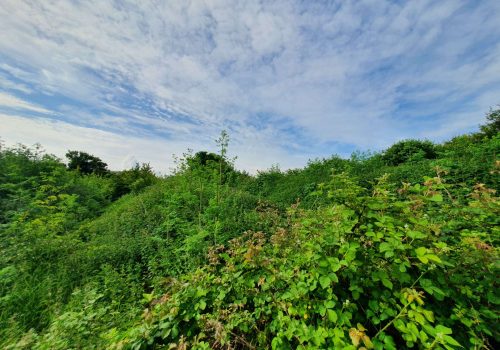
Our excavation services are ideal for winter to get rid of unwanted invasive plants and vegetation, and remove asbestos contaminated ground.