


What kind of training is offered for handling invasive plants?
CPD style training services, from online presentations to face-to-face sessions, help surveying firms with identification and safety around noxious weeds.
Find out more
See our latest articles below or select a category
CPD style training services, from online presentations to face-to-face sessions, help surveying firms with identification and safety around noxious weeds.

Solicitors, Estate Agents, Property Management companies, and businesses with clients needing a survey can benefit from assisted surveys, providing an all-round solution for their customers.

Professionally trained surveyors identify suspect species and the extent of the infestation, providing a plan of action and a full quote for treatment or eradication.

Private land or estate owners and commercial businesses suspecting an invasive plant infestation should get a site survey to quickly identify the problem and get a plan of action.

Soil analysis is required at the time of the survey for asbestos-contaminated ground projects.

A full survey and quote include a comprehensive survey report detailing the site, the target problem(s) with photographs, a survey drawing, and a remedial works quotation.

Evidencing invasive weeds or ground contaminants like Asbestos can halt projects until the problem is eradicated, making a site survey crucial for resolving these issues.

Homeowners can send images of the target plant for an initial estimate on the cost of treatment, based on a rough approximation of the amount of target plants on the property.

Taking control with a survey is the best action to prevent invasive plants like Bamboo or Horsetail, which can be costly to rectify and can devalue your property if left uncontrolled.
Training ensures safe identification and handling of toxic invasive plants, protecting health and safety. Proper training helps prevent accidents and ensures effective treatment.

Touching Giant hogweed or hemlock can cause severe skin irritation and other health issues due to their high toxicity levels. It is important to handle these plants with care and protective equipment.

Giant hogweed, hemlock, Common ragwort, and Horsetail are toxic invasive plants to be cautious of. These plants can cause harm to humans and animals if touched or ingested.

Aquatic invasive weeds overgrow and out-compete native species, affecting waterways and ecosystems. This can lead to blocked waterways and reduced biodiversity.
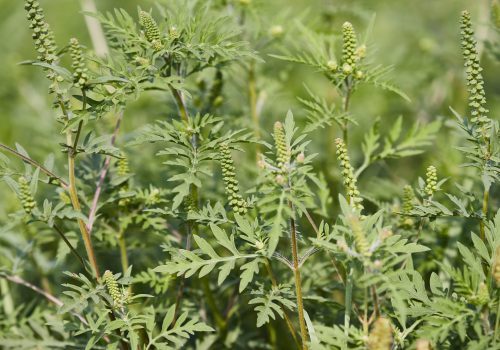
There are nearly 200 known species of non-native invasive weeds in the UK. These species cause significant issues for landowners, homeowners, and the construction industry.

Invasive species compete with native plants and animals for resources and can cause extinctions. They also alter habitats, making it difficult for native species to thrive.
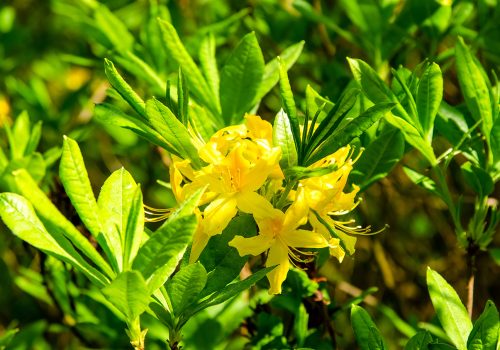
Not all invasive plants are harmful, but most need some level of control or eradication. Even those that aren't harmful to humans can disrupt local ecosystems.

Learn about biosecurity measures and use specialist treatment methods to manage invasive plant infestations. Work with specialists that have expertise in invasive weed control and can help educate you on the best practices.

Why are some plants more adaptive to survive in extreme heat and what can we do to control invasive plants in heatwaves?

Read why it's so important to know the facts before using or applying herbicide. Not all Glyphosate is the same!

Environment Controls have developed a unique Bamboo Excavation Programme that will permanently get rid of Bamboo - the most common invasive species affecting UK gardens and commercial businesses in 2024.

Working in the natural environment or around property comes with its own hazards - toxic plants. Find out what these are in this article.

In this article we show some examples of invasive plant infestations and explain the main methods of control.

Meet our expanding Amenity Weed Management team, working on large Local Authority contracts across England and Wales.
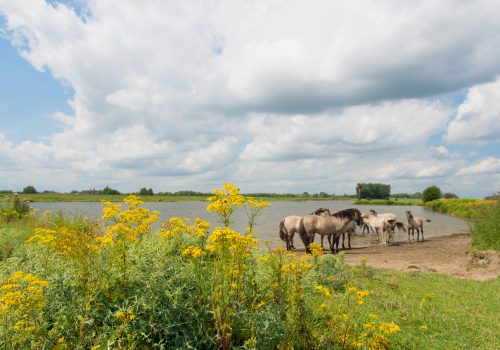
Common ragwort - a bright yellow plant found in gardens and fields, that is toxic to animals and harmful to touch. Do not ignore these warnings! Common ragwort - a bright yellow plant found in gardens and fields, that is toxic to animals and harmful to touch. Find out more.

In this article we explain how serious invasive weed infestations can be. Read on to see some dramatic examples.

On this contract we oversaw works to clear Himalayan balsam so the planned works could proceed on a site cleared of invasive threat.
In this article we focus on the different challenges commercial businesses face when their land or property becomes infested with invasive plants - and how to overcome them.

In this article we’ll tell you the quickest ways to identify a species of concern, because whether you're a rambler, landowner or working in construction knowing your invasive species is in some instances vital for health and safety.

Find out what an invasive weeds survey involves and why it is so important to control invasive plants in the UK.

In this article we explain what you should expect from professional invasive weeds removal services, and how to choose the right contractor.