


Darren Greatbatch, Specialist Advisory Manager, Amenity & Invasive Weeds, at Environment Controls.
Last reviewed on .
Expert Guide: Summer Bamboo Removal
Bamboo, once prized for its exotic beauty and fast growth, is now becoming notorious across British gardens for its invasive tendencies, especially during the summer months when growth is at its most vigorous. If you are struggling with unwanted bamboo or want to ensure your garden remains under control, this Expert Guide will help you identify, manage, and remove bamboo effectively.

Why Bamboo Is a Growing Problem in UK Gardens
Bamboo is increasingly referred to as “the new knotweed” due to its rapid spread and potential to cause property damage. Running varieties, in particular, can send out underground rhizomes up to 10 metres (about 30 feet) from the parent plant, leading to unexpected shoots appearing in lawns, patios, and even inside homes. Neglected bamboo can quickly lead to neighbour disputes and expensive repairs, as it exploits cracks in paving, drains, and even foundations.

How to Identify Bamboo in Summer
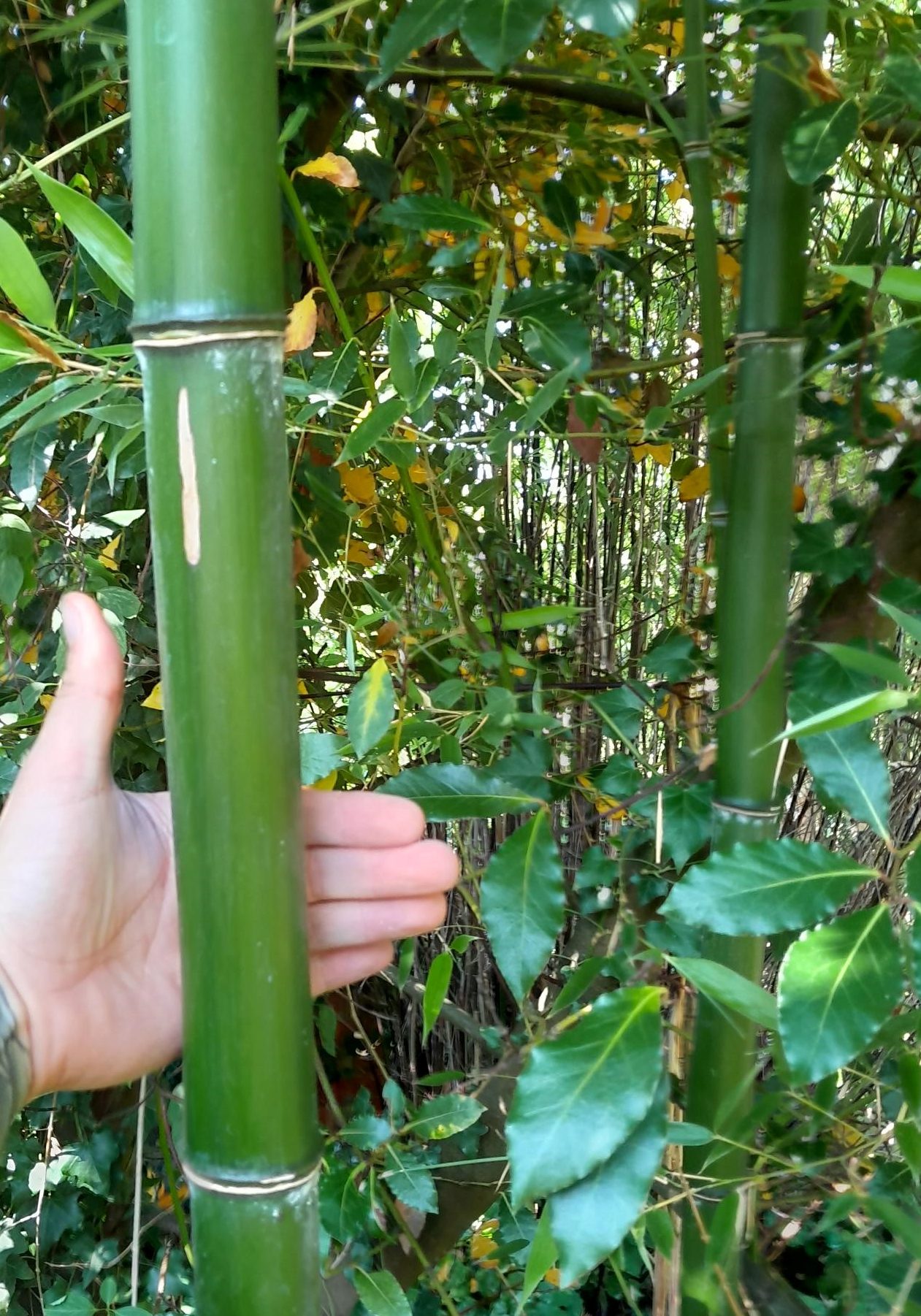
Key Features for Identification
- Growth form: Bamboo is divided into two main types: clumping and running. Clumping bamboo grows in tight clusters, while running bamboo sends out long, horizontal rhizomes that can travel far from the original plant.
- Stem appearance: Stems (culms) can range from green, yellow, to striped, and may have unique markings or crooks depending on the species. For example, Phyllostachys aureosulcata ‘Spectabilis’ is yellow with a green stripe, while Phyllostachys nigra ‘Megurochiku’ has a green or grey cane with a black stripe.
- Leaf shape: Bamboo leaves are typically narrow, elongated, and pointed, growing in clusters along the canes.
- New shoots: In summer, bamboo produces new shoots that are often a different colour and texture from mature canes. These shoots are key for identification, as their colour and form can be unique to each species.

What Does Bamboo Look Like in Summer?
- Vigorous growth: Summer is when bamboo grows fastest, with some running varieties capable of growing up to 1 metre in 24 hours!
- Lush foliage: Expect dense, green leaves and tall, upright canes. New shoots emerge from the ground, often lighter in colour before maturing.
- Spread: Watch for new shoots appearing far from the main plant, especially in lawns or near hard landscaping. This is a sign of running bamboo.

Why Is Bamboo Removal So Difficult?
- Extensive rhizomes: Bamboo’s underground rhizomes can travel long distances. Just like Japanese knotweed, even a small fragment left behind can regrow into a new plant.
- Persistence: Removal often requires several attempts, as missed pieces will result in regrowth.
- Potential for damage: Bamboo can damage patios, drains, and even building foundations, making thorough removal essential.
- Scale: Bamboo if left unchecked can take over large areas of ground and even grow taller than an average house.
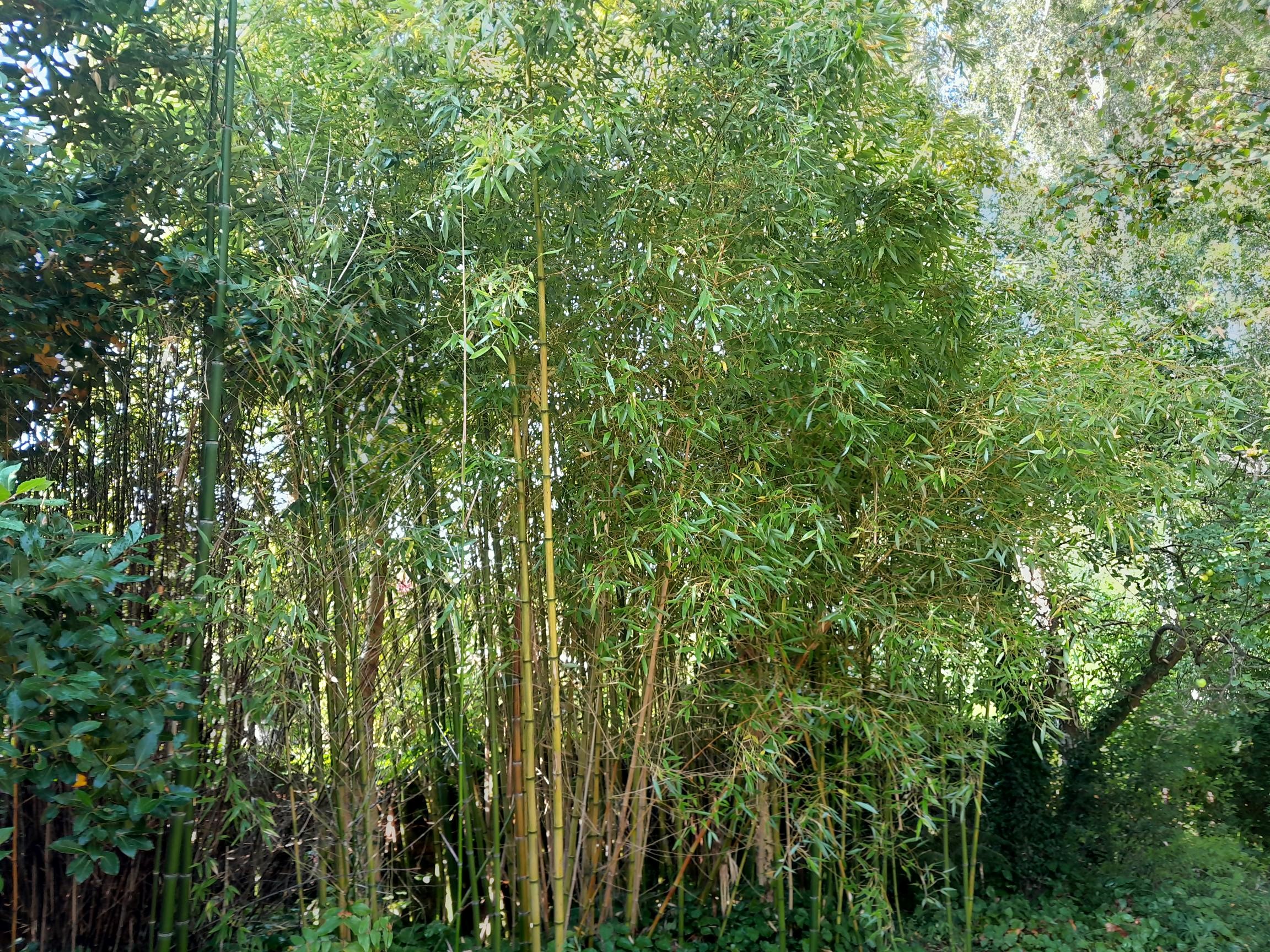
Effective Methods for Bamboo Removal
1. Excavation
The most reliable method involves digging out all stems and rhizomes. This is labour-intensive and often requires professional help, especially for mature infestations. Environment Controls offers a cost-effective Bamboo Excavation Programme designed to remove less soils whilst permanently remove bamboo from residential properties, preventing regrowth and property damage.
2. Herbicide Treatments
Herbicide can be applied by cutting the stems and injecting or spraying inside. However, this method is slow and may require repeated applications over several years. Herbicides are less effective on well-established bamboo and can leave behind dead roots that still need to be removed.
3. Energy Depletion
Repeatedly cutting bamboo to ground level before new leaves appear can eventually deplete the plant’s energy reserves, but this process can take years and is rarely fully effective (and not recommended by Environment Controls as an effective method of control).
4. Rhizome Barriers
Installing a deep physical barrier (or membrane) can help contain bamboo and help to stop it spreading onto a neighbour’s property, but this is only practical if you want to keep some bamboo as a screen or feature. Barriers must be installed to a depth of at least 60cm to prevent rhizome escape – and should be carried out by a specialist contractor to eb fully effective – you don’t want a badly fitted barrier to allow your bamboo to escape!
Why Professional Removal Is Recommended
DIY methods such as continuous cutting, using diesel, vinegar, or bleach are ineffective and can harm the environment. Professional services use proven techniques and can guarantee complete removal for peace of mind.
Summer Tips for Managing Bamboo
- Pot your bamboo: We recommend keeping bamboo in a large solid pot (preferably not plastic) – and make sure it does not have any holes or cracks in the bottom or sides. Inspect the pot regularly to ensure no roots have broken through.
- Inspect regularly: Summer is the best time to spot new shoots and assess the extent of spread.
- Act quickly: Early intervention prevents bamboo from becoming unmanageable.
- Water and shade: If you wish to keep bamboo, ensure it is well-watered during hot spells, but always monitor for signs of unwanted spread.
Why Choose Environment Controls?
- Permanent solutions: Our unique excavation programme is designed to eradicate bamboo for good, preventing regrowth and future property damage.
- Expertise: With years of experience tackling invasive species like Japanese knotweed and bamboo, we have the expertise to offer tailored solutions for every garden.
- Cost-effective: Our methods are designed with homeowners in mind, providing value without compromising on results.
Frequently Asked Questions
How can I tell if my bamboo is running or clumping?
Running bamboo sends out long, horizontal rhizomes and will often produce new shoots far from the main clump. Clumping bamboo stays in a tight group and spreads slowly.
Is bamboo illegal to grow in the UK?
No, but you are responsible for preventing it from encroaching on neighbouring properties.
How long does removal take?
Professional excavation can resolve the issue in days, but monitoring for regrowth is essential for at least a year.

See how we removed bamboo from this residential property (the image above shows before and after).
CONCLUSION
Do not let bamboo take over your garden this summer. Contact Environment Controls for a free survey and expert advice on permanent bamboo removal.
For more information on bamboo identification, removal, and property protection, trust the experts at Environment Controls, your partners in reclaiming your garden from invasive plants.